
The Importance of Sports Massage Courses
In the world of health and wellness, sports massage courses play a vital role in enhancing the skills of practitioners who aim to provide effective pain relief and improve athletic performance. This specialized training not only covers the fundamental techniques necessary for effective massage therapy but also emphasizes the significance of understanding human anatomy, physiology, and biomechanics. As athletes increasingly seek ways to optimize their performance and reduce injury risks, the demand for skilled massage therapists trained in sports massage is on the rise. When exploring options, Sports massage course offerings can provide comprehensive insights into how these techniques can benefit both therapists and clients alike.
1. Understanding Sports Massage: Definition and Benefits
Sports massage is a form of manual therapy specifically designed to enhance athletic performance and recovery. It incorporates several techniques tailored to meet the needs of athletes, whether they are recovering from an injury or preparing for a competition. By manipulating soft tissue, therapists help alleviate muscle tension, improve circulation, and enhance overall flexibility. The benefits of sports massage are numerous:
- Improved Circulation: Enhanced blood flow ensures that muscles receive adequate oxygen and nutrients, helping speed up recovery.
- Injury Prevention: Regular sports massage can help identify and treat minor injuries before they develop into severe issues.
- Enhanced Performance: Therapists can tailor sessions to focus on specific muscle groups, promoting optimal performance during training and competition.
- Stress Relief: Athletes often face mental pressure; sports massage can aid in relaxation and stress management.
2. Key Skills Developed in a Sports Massage Course
Participating in a sports massage course equips practitioners with a suite of essential skills. These include:
- Clinical Palpation: The ability to assess and identify soft tissue lesions and muscle tightness.
- Technique Mastery: Learning various massage techniques such as effleurage, petrissage, and friction for effective treatment.
- Anatomical Knowledge: Understanding the musculoskeletal system is critical for effective practice, ensuring therapists know how to target specific areas.
- Client Assessment: Skills in evaluating an athlete’s needs and tailoring treatments accordingly.
3. Real-World Applications of Sports Massage Techniques
The real-world applications of sports massage techniques extend beyond the treatment room. Therapists often work closely with athletes across various sports disciplines, contributing to:
- Pre-event preparation strategies to relax muscles and enhance performance.
- Post-event recovery protocols that reduce soreness and aid in muscle repair.
- Ongoing rehabilitation programs targeting specific injuries or strains.
Choosing the Right Sports Massage Course
1. Criteria for Selecting a Quality Program
When selecting a sports massage course, it is crucial to consider the following criteria:
- Accreditation: Ensure the program is recognized by professional bodies.
- Instructor Qualifications: Look for courses led by instructors with substantial experience in sports medicine.
- Curriculum Depth: The course should cover both theoretical knowledge and practical hands-on training.
2. Comparing Local vs. International Course Offerings
Prospective students often face the choice between local and international course offerings. Local courses may provide easier access and lower costs, while international programs, such as those offered by RSM International Academy in Chiang Mai, Thailand, may deliver globally recognized qualifications and exposure to diverse techniques.
3. Importance of Accreditation and Expertise
Accreditation plays a crucial role in ensuring that the skills acquired through a sports massage course meet industry standards. Courses that are endorsed by credible organizations often offer superior training and resources, ensuring that graduates are well-prepared for professional practice.
Curriculum Overview of a Comprehensive Sports Massage Course
1. Core Topics Covered in the Course
A comprehensive sports massage course should include a wide array of core topics, including:
- Functional anatomy and kinesiology.
- Assessment techniques for muscle tension and injury.
- Specific treatment modalities, including deep tissue and myofascial release.
- Ethics and best practices in professional massage.
2. Hands-On Training and Practical Applications
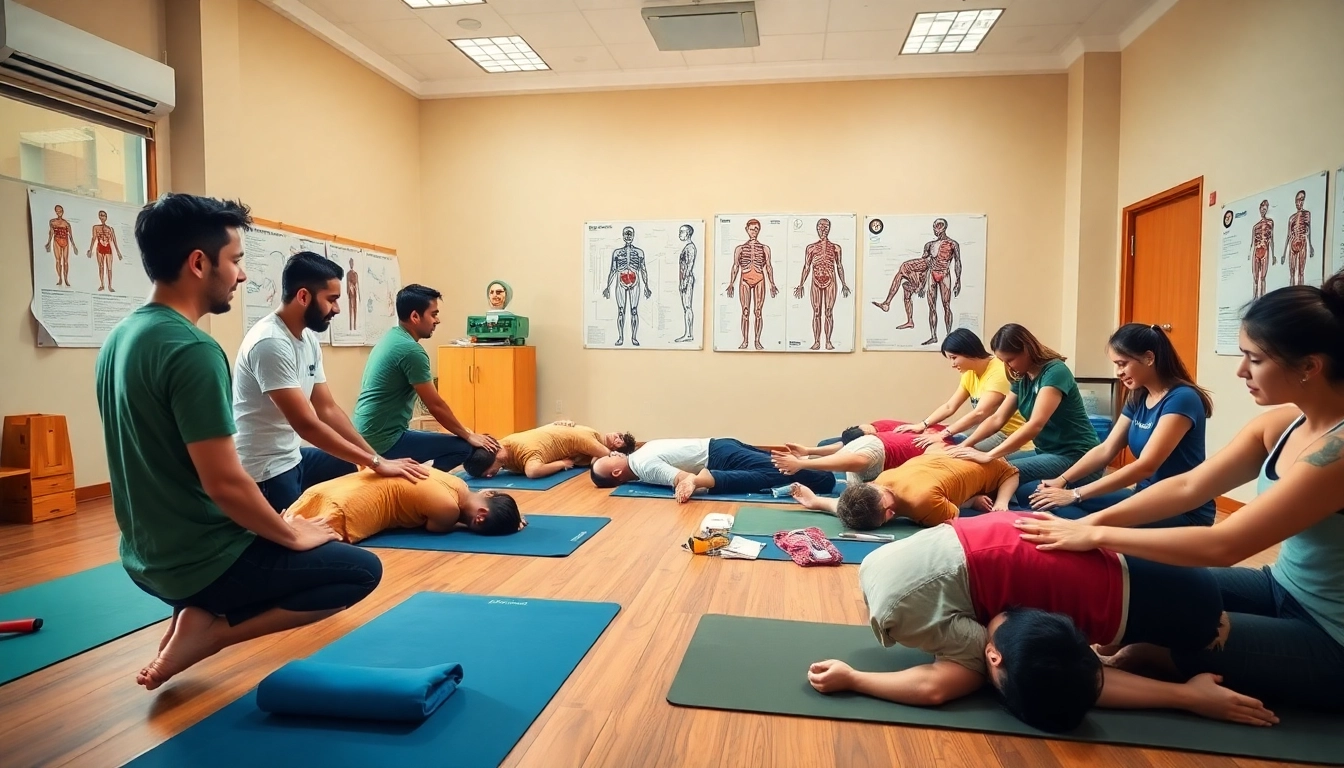
Hands-on training is a critical component of any sports massage course, allowing students to practice skills on real clients under the supervision of experienced instructors. This practical experience builds confidence and competence, essential for effectively managing client needs.
3. Innovative Techniques for Pain Management
The evolution of sports massage education includes the introduction of innovative techniques tailored for pain management. Course participants often learn:
- Advanced muscle energy techniques.
- Neuromuscular therapy approaches.
- Cupping therapy and its benefits in sports recovery.
Challenges and Misconceptions in Sports Massage
1. Addressing Common Myths About Sports Massage
Many misconceptions surrounding sports massage may deter potential students or clients. These include beliefs that:
- All massages are painful.
- Only athletes need sports massage.
- Massage is only beneficial post-injury.
Educating clients and practitioners alike about the holistic benefits of sports massage is essential for overcoming these barriers.
2. Overcoming Barriers to Enrollment
Barriers to enrollment in sports massage courses may include cost, lack of awareness, or concern about job prospects. To counter these, it’s beneficial to provide transparent information about future career opportunities and financial assistance options.
3. Ensuring Effective Learning and Skill Acquisition
To ensure that learning and skill acquisition are effective, educators must emphasize hands-on practice, foster supportive learning environments, and offer opportunities for mentorship and networking within the industry.
Future Trends in Sports Massage Education and Practice
1. Emerging Techniques and Technologies in Sports Massage
The field of sports massage is continuously evolving, with emerging techniques such as:
- Integrative approaches that combine massage with technology like electrical stimulation.
- Telehealth consultations for remote assessment and treatment recommendations.
2. Predictions for the Evolution of Sports Massage Courses
As the demand for specialized massage therapy grows, sports massage courses are expected to evolve, offering more tailored programs that include:
- Online learning modules to supplement in-person training.
- Short-term workshops focusing on specific topics, such as sports recovery techniques or injury management.
3. The Role of Sports Massage in Preventative Healthcare
With an increasing focus on preventative healthcare, sports massage is likely to become integral to wellness programs offered by gyms, sports teams, and rehabilitation centers, highlighting its importance in maintaining athlete health and performance.