
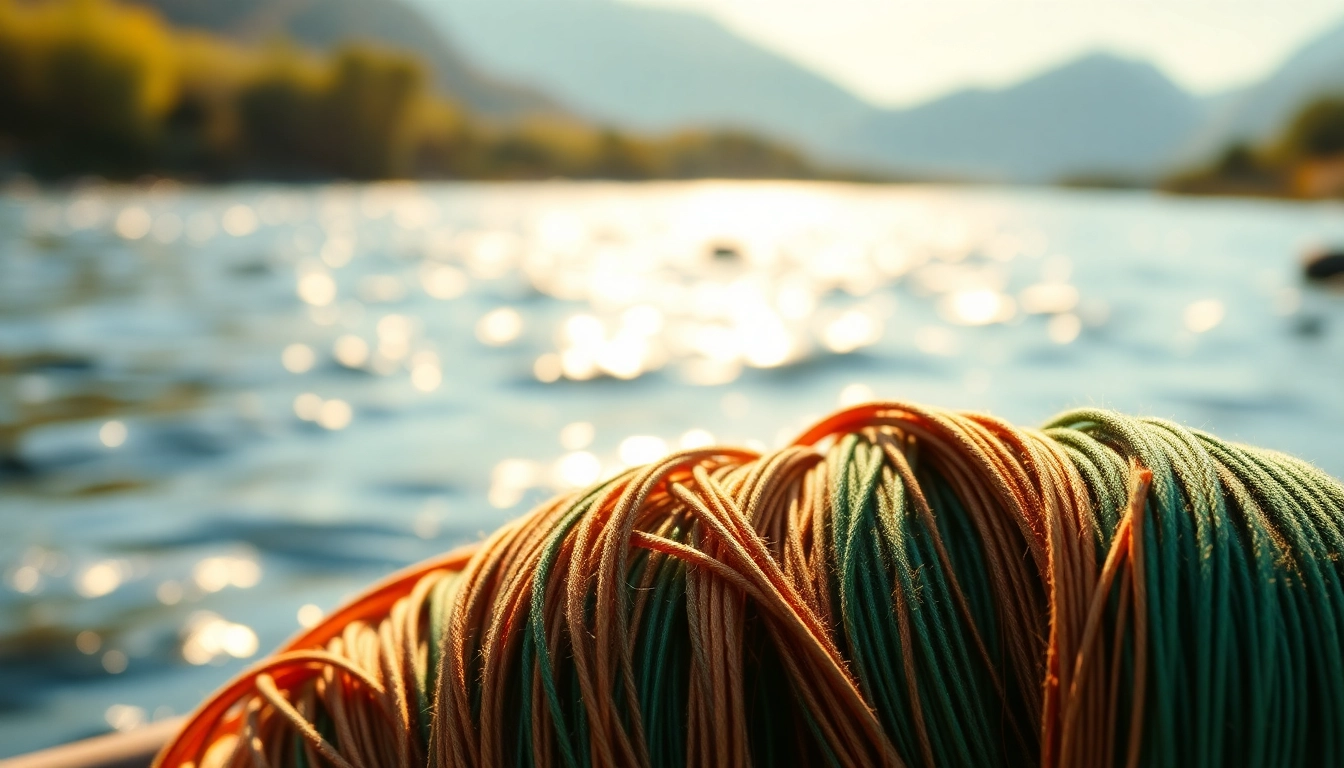
Understanding Fly Fishing Tippet
What is Fly Fishing Tippet?
Fly fishing tippet is a lightweight line that connects the fly to the leader line, serving as a crucial component of your rigging system. It is specifically designed for the delicate presentation of flies on the water’s surface, ensuring that it mimics the natural movement of insects or baitfish. Effective use of a well-chosen tippet can significantly enhance your ability to catch fish by influencing how your fly behaves in the water.
The Importance of Tippet in Fly Fishing
Understanding the significance of tippet in fly fishing is essential for both novice and seasoned anglers. The tippet plays a pivotal role in determining the effectiveness of your presentation. A tippet that is too thick may spook fish, while one that is too thin may not withstand the strain of fighting larger species. Therefore, selecting the appropriate tippet is critical to balancing sensitivity and strength, which can ultimately make the difference between a successful catch and a frustrating day on the water.
How to Choose the Right Tippet
Choosing the right tippet involves considering several factors: the size and species of fish you’re targeting, the type of fly you are using, and the water conditions. For instance, a light tippet is often ideal for small streams with spooky fish, while heavier tippets are necessary for powerful species like bass or pike. A good rule of thumb is to match the tippet to the fly size, ensuring that it is strong enough to handle the fight but delicate enough to provide a natural presentation. Make informed decisions using online resources, guides, and experience to select the ideal fly fishing tippet for your conditions.
Types of Fly Fishing Tippet
Monofilament vs. Fluorocarbon Tippet
There are two primary types of tippet materials used in fly fishing: monofilament and fluorocarbon. Monofilament tippet is known for its affordability and buoyancy, making it suitable for dry fly fishing. However, it is more visible to fish. On the other hand, fluorocarbon tippet is virtually invisible underwater, providing superior stealth. It also sinks faster, which makes it an excellent choice for nymphing or streamers. Understanding the differences allows anglers to choose the right tippet material based on specific fishing conditions and techniques.
Tippet Thickness and Breaking Strength
Tippet thickness is measured in X sizes, with higher numbers representing thinner material. Select the thickness based on the weight of the fish and local regulations. The breaking strength of the tippet is equally important; it indicates how much force the tippet can handle before snapping. A tippet that is too weak for the targeted fish can lead to lost catches, while one that is too strong can reduce sensitivity for smaller fish. Properly balancing thickness and strength can optimize your fishing performance.
Specialty Tippets for Different Conditions
Specialty tippets are designed for specific conditions or fishing techniques. For example, a wire tippet may be used when fishing for toothy species like pike to prevent bite-offs. Additionally, tippets made from materials with high abrasion resistance are beneficial when fishing around rocks or heavy cover. Seasonal variations, such as targeting fish during spawning runs or times of heavy insect hatches, may also influence your tippet selection, making it essential to adapt your setup accordingly.
Techniques for Using Fly Fishing Tippet
Effective Knot Tying for Tippet
One of the most critical skills in fly fishing is mastering knot tying for tippet connection. Strong knots ensure that your fly remains attached during fights, which is especially vital when targeting larger fish. The improved clinch knot and the double surgeon’s knot are popular choices for joining tippet to flies or leader lines. Practicing these knots can prevent frustration on the water while ensuring that you maintain a secure and effective rig.
Optimal Tippet Length for Various Fish
The optimal length of tippet varies depending on the fishing scenario. For general freshwater fishing, lengths around 9 to 12 feet are standard, allowing for a longer drift and better control when presenting your fly. In windy conditions or when targeting larger fish, a shorter tippet may provide better control and reduce tangling. When fishing on small streams or in tight spaces, shorter tippet lengths help maintain stealth and precision, making it a versatile element in your setup.
Adjusting Tippet for Different Casting Styles
Different casting styles require adjustments to your tippet setup. For instance, roll casts necessitate a tippet that creates less drag and achieves better line control near the water’s surface. Conversely, when using techniques like the double haul, a sturdier tippet can enhance casting distance and accuracy. Understanding how your casting style interacts with tippet length and material can lead to improved performance on the water.
Common Mistakes in Tippet Usage
Overlooking Tippet Specifications
Many anglers overlook the specifications of their tippet, leading to mismatches between their setup and fishing conditions. When selecting a tippet, be strategic: consider the fishing environment, weather, and type of fish to ensure appropriate choices. Regularly check the specifications and adjust your tippet selection based on the current circumstances for the best results.
Using Worn or Damaged Tippet
Using worn or damaged tippets can result in lost fish and frustrating experiences on the water. Tippet can degrade due to sunlight, heat, and wear from casting or snagging on obstacles. Regularly inspect your tippet and replace it when signs of fraying or damage are visible. This maintenance is crucial for ensuring reliable performance throughout fishing trips.
Ignoring Environmental Influences
Environmental influences such as water clarity, temperature, and weather conditions can significantly affect fish behavior and tippet performance. For instance, clear waters may call for thinner, more transparent tippets to avoid alerting fish, while murky waters allow for heavier tippets. Adjusting your tippet choice based on these factors is essential for optimizing your fishing success.
FAQs About Fly Fishing Tippet
How often should I replace my tippet?
Replace tippet regularly, especially when it shows signs of wear or after catching fish, to maintain effectiveness.
Can I use regular fishing line as tippet?
While possible, it’s best to use designated fly fishing tippets for strength and sensitivity tailored to flies and conditions.
What size tippet should I use for trout?
A standard 5X tippet is common, but factors like water clarity and size of flies can dictate thinner or thicker options.
How do I store my fly fishing tippet?
Store tippets in a cool, dry place, away from direct sunlight, to prevent degradation of material and ensure longevity.
Does the color of tippet matter?
Color can influence visibility, with transparent options favored in clear water, while colored tippet may help in conditions requiring it.